
When Maria Rodriguez, a senior meteorologist at the India Meteorological Department, issued the alert on January 23, 2026, few in northern India were prepared for the sheer intensity of what followed. A powerful Western Disturbance had swept across the region, dumping heavy snowfall in the Himalayas and triggering widespread rainfall and thunderstorms in the plains. This isn't just another winter storm; it's a stark reminder of how vital—and volatile—these extra-tropical systems are for the subcontinent.
The twist is that while these storms are essential for agriculture, they're becoming increasingly unpredictable. As temperatures rise globally, the atmosphere holds more moisture, turning routine winter rains into potential disasters. For millions relying on the Rabi crop season, this delicate balance between life-giving rain and destructive flooding has never been more precarious.
What Exactly Is a Western Disturbance?
Here's the thing: most people think of monsoons when they hear "Indian rainfall." But from December to March, a different player takes center stage. A Western Disturbance (WD) is an extra-tropical low-pressure system that originates far away—typically over the Mediterranean Sea, the Caspian Sea, or the Black Sea. Driven by the subtropical westerly jet stream, these systems travel eastward, picking up moisture as they cross Iran and Afghanistan before slamming into the Indian subcontinent through Pakistan.
Think of it like a conveyor belt of weather. The cold polar air meets warmer, moist air, creating a low-pressure zone that tracks east. When it hits the Himalayas, it releases its payload: snow in the mountains, rain in the plains. According to data from the India Meteorological Department, these disturbances contribute 5% to 15% of the annual rainfall in northwest India. That might sound small, but it’s the difference between a thriving wheat harvest and a drought-stricken field.
The January 2026 Storm: Impact and Intensity
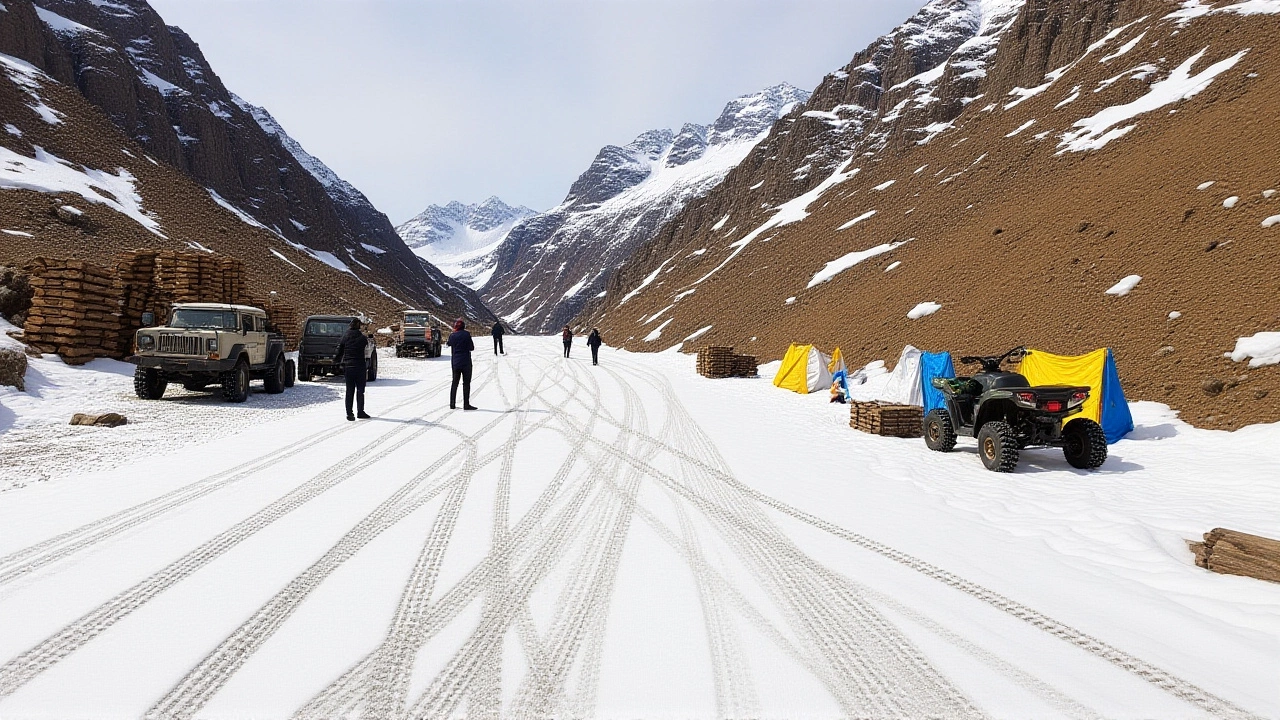
On January 23, 2026, the latest WD didn't just bring rain; it brought chaos. Reports from NEXT IAS highlighted widespread disruptions across northern states. In New Delhi, thunderstorms knocked out power grids, while cities like Chandigarh faced urban flooding within hours. Meanwhile, in the higher altitudes of Himachal Pradesh and Uttarakhand, fresh avalanches buried roads, isolating villages.
But wait—the damage wasn't uniform. While Punjab and Haryana saw beneficial soil moisture replenishment, western Uttar Pradesh reported hailstorms that flattened standing mustard crops. Farmers in Ludhiana described watching their livelihoods vanish under ice pellets in minutes. "We needed rain, not destruction," said one local farmer, whose identity was withheld due to fear of reprisal from insurance companies. The details are still unclear regarding the total economic loss, but early estimates suggest millions in damages.
Why This Matters for Agriculture and Climate
Western Disturbances are the unsung heroes of India's food security. They provide the crucial winter rains known locally as "Mawtha" in some regions, which sustain Rabi crops like wheat and barley. Without them, the soil would dry out completely during the harsh winter months. However, the increasing intensity of these systems poses a dual threat. On one hand, inadequate rainfall leads to crop failure. On the other, excessive rainfall causes waterlogging, root rot, and physical damage to plants.
Interestingly, experts note a shift in patterns. Historically, WDs were predictable. Now, with climate change altering jet stream dynamics, they arrive faster, stronger, and sometimes out of season. A study cited by Vajiram and Ravi suggests that warmer atmospheres can hold approximately 7% more moisture per degree Celsius of warming. This means a storm that used to bring gentle drizzle now dumps buckets of rain in a short window.
Expert Perspectives and Future Risks
Dr. Arun Sharma, a climatologist at the Indian Institute of Tropical Meteorology, warns that we're seeing a trend toward "extreme variability." "It's not just about how much rain falls," he explains, "but how fast it falls. Our drainage infrastructure in cities like Delhi and Mumbai wasn't built for this volume in such a short time." He points to the 2014 Uttarakhand floods as a precedent where similar mechanisms led to catastrophic loss of life.
The broader impact extends beyond agriculture. River flows in the Ganges and Yamuna depend on this winter recharge. If WDs become too erratic, reservoir levels could drop critically low by summer, affecting hydroelectric power generation and drinking water supplies for millions. Conversely, too much snowmelt from intense WDs can lead to spring flooding downstream.
What's Next for Northern India?
Looking ahead, the focus must shift from reactive measures to proactive preparedness. The India Meteorological Department is investing in better forecasting models, using satellite data and AI to predict WD trajectories with greater accuracy. However, ground-level implementation remains a challenge. Local governments need updated flood management plans, and farmers require access to resilient crop varieties.
As we move deeper into 2026, the question isn't whether another powerful Western Disturbance will hit—it's when. And when it does, will we be ready? The answer lies in balancing respect for nature's power with smart adaptation strategies. After all, these storms aren't enemies; they're part of our climate system. We just need to learn how to live with them safely.
Frequently Asked Questions
How do Western Disturbances differ from Monsoons?
Monsoons are tropical systems driven by seasonal wind reversals, bringing massive rainfall from June to September. Western Disturbances are extra-tropical, mid-latitude storms that occur from December to March. They originate in the Mediterranean and bring lighter, sporadic rain and snow, crucial for winter crops rather than general hydration.
Which Indian states are most affected by Western Disturbances?
The primary impact zones include Jammu & Kashmir, Himachal Pradesh, Uttarakhand, Punjab, Haryana, Delhi, Rajasthan, and western Uttar Pradesh. The effects can extend further east to parts of Bihar and even southern Nepal and northern Bangladesh, depending on the strength of the jet stream.
Why are Western Disturbances important for Rabi crops?
Rabi crops like wheat, barley, and mustard are sown in autumn and harvested in spring. They require consistent soil moisture during the cold winter months when evaporation is low. Western Disturbances provide this critical irrigation, preventing crop failure and ensuring national food security. Without them, farmers would rely entirely on expensive groundwater irrigation.
Can climate change make Western Disturbances more dangerous?
Yes. A warmer atmosphere holds more moisture, leading to heavier precipitation events. Additionally, changes in jet stream dynamics can cause these storms to stall over specific areas, resulting in prolonged rainfall and flash floods. Experts warn that while the frequency might not increase drastically, the intensity and unpredictability are rising significantly.
What should citizens do when a Western Disturbance warning is issued?
Residents in low-lying areas should prepare for potential waterlogging and keep emergency kits ready. Those in hilly regions must avoid landslide-prone zones and check road conditions before traveling. It's also advisable to secure loose outdoor items against strong winds and stay updated via official channels like the IMD for real-time alerts.

Write a comment